



Quick Answer: To fix a yellow flame on a gas furnace, turn the system off, ventilate the area, and check airflow, burner cleanliness, and venting. A healthy furnace flame burns blue, while yellow or flickering flames indicate incomplete combustion that can increase carbon monoxide risk and reduce efficiency. Some airflow-related issues can be corrected quickly, but persistent yellow flames require professional inspection of gas pressure, burners, and exhaust systems. Addressing the issue early protects safety, comfort, and heating performance during cold weather.
What a Yellow Furnace Flame Indicates
A yellow furnace flame indicates incomplete combustion, meaning fuel is not burning efficiently inside the combustion chamber.
Under normal conditions, the gas furnace flame should burn steady blue, signaling the correct air-to-fuel mixture. When the flame turns yellow or orange, it means the furnace burner flame is producing excess combustion byproducts like soot and carbon monoxide instead of usable heat. This condition worsens during winter when systems operate for longer cycles.
Yellow tipping on a flame is caused by glowing carbon particles that appear when oxygen supply or fuel delivery is unbalanced, making flame color an early visual safety indicator.
How Furnace Issues in Extreme Cold Make Yellow Flame Problems Worse
Furnace issues in extreme cold often make yellow flame problems more noticeable because heating systems must run longer and harder to keep up with rapid heat loss. During freezing temperatures, furnaces operate near their maximum output, which places additional demand on the burner and combustion process. If a yellow flame is present, heat production drops just when the system needs to perform at its best.
Cold outdoor air increases oxygen demand and stresses the fuel-to-air balance inside the burner. This can worsen incomplete combustion, causing the yellow flame to persist longer and reduce overall heating efficiency. As a result, homeowners may experience longer run times, uneven heating, or difficulty maintaining indoor comfort until the flame issue is corrected.
Why Routine Inspections Prevent Yellow Flame Problems
Many yellow flame issues develop slowly and go unnoticed until winter demand exposes them.
Heating maintenance services reduce this risk by addressing airflow restrictions, cleaning burners, inspecting venting systems, and verifying safe combustion before peak heating season. Furnaces that skip routine inspections are more likely to develop incomplete combustion problems over time.
Preventive maintenance not only improves safety but also helps preserve efficiency and extend system lifespan.
Early Symptoms That Often Appear Before Flame Color Changes
A yellow flame rarely appears without warning signs. Most homeowners notice performance changes first.
These symptoms frequently align with common signs of furnace going out, such as uneven heating, frequent cycling, or extended run times. These changes indicate declining combustion efficiency long before the flame color is checked.
Catching these signs early allows corrective action before safety risks escalate.
When Yellow Flames Cause Cold Air From Vents
Incomplete combustion directly affects heat output. One common symptom is Furnace Blowing Cold Air, which occurs when the furnace cannot heat the exchanger properly. Even though the system runs, combustion inefficiency prevents warm air delivery, resulting in lukewarm or cold airflow from vents.
This issue is often misdiagnosed as a thermostat or duct problem when the real cause lies at the burner level.
Safety Steps to Take Immediately If You See a Yellow Flame
Safety must be your first priority when flame color changes. Turn off the furnace, ventilate the area if safe, and avoid adjusting gas components yourself. Incomplete combustion can release carbon monoxide, which is odorless and dangerous.
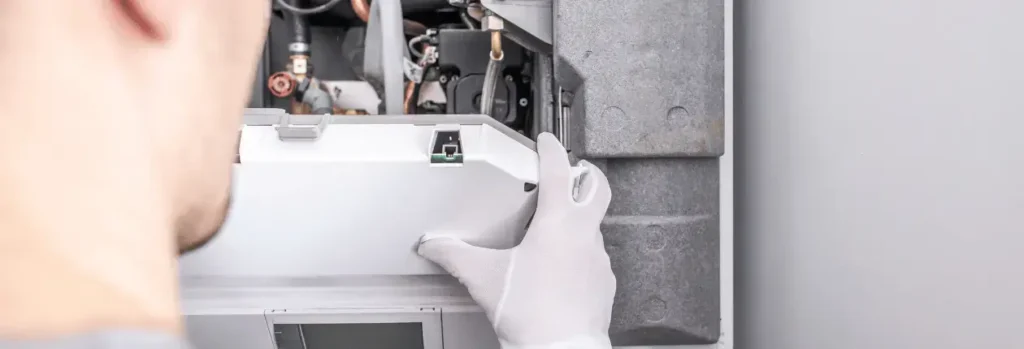
At this stage, inspection should be handled by a licensed Plumbing technician or HVAC professional trained to evaluate gas delivery, burners, and venting systems safely.
Furnace Flame Color Chart and What Each Color Means
Flame Color | What It Means | Risk Level |
Blue | Complete combustion | Normal |
Yellow | Incomplete combustion | High |
Orange | Soot contamination | High |
Flickering | Draft or airflow issue | Moderate |
Green | Fuel impurity | Severe |
This furnace flame color chart helps homeowners quickly assess whether flame appearance is normal or dangerous.
What Causes Yellow Flame in Furnace Systems
Yellow flame in furnace systems is usually caused by traced back to airflow, fuel delivery, or exhaust problems.
Common causes include:
- Dirty burner ports
- Restricted oxygen supply
- Incorrect gas pressure
- Blocked exhaust flue
- Poor combustion chamber sealing
Any of these conditions disrupt the air-to-fuel ratio, leading to inefficient combustion and unsafe byproducts.
How to Fix Yellow Flame on Gas Furnace Safely
To fix yellow flame on the gas furnace, follow these steps carefully and stop if safety concerns arise.
- Shut off power and gas supply
- Allow ventilation if no gas odor is present
- Check air filters and airflow
- Inspect burner area for surface dirt
- Restore power only if flame stabilizes
Tip: Light cleaning may help if buildup is minimal, but persistent yellow flames require professional testing.
Why Airflow and Controls Affect Combustion Stability
Airflow plays a larger role in combustion than many homeowners realize.
Restricted oxygen supply causes incomplete combustion, while improper cycling increases stress on burners. Selecting the right thermostat for heating system helps to regulate run cycles properly but cannot correct airflow or burner contamination alone.
Balanced airflow and proper control settings work together to keep flame color stable.
Propane vs Natural Gas Flame Differences
Propane systems behave similarly to natural gas furnaces when operating correctly.
A normal propane furnace flame color should also appear blue. Yellow or orange flames indicate the same combustion problems but propane systems are more sensitive to pressure inconsistencies and venting accuracy.
How Yellow Flames Increase Heating Costs
A yellow flame wastes fuel and forces longer run times. This inefficiency often explains why homeowners suddenly wonder why their heating bill is so high despite unchanged usage habits. Incomplete combustion produces less usable heat while increasing wear on internal components.
Correcting flame color early restores efficiency and stabilizes monthly heating expenses.
When DIY Stops and Professional Help Is Require
- Flame remains yellow after airflow checks
- Carbon monoxide alarms activate
- Soot appears near burners or vents
- Gas odors or hissing are present
Heating performance becomes unreliable
Professional Verification After Repairs
Test Area | What Is Verified |
Flame stability | Blue flame under load |
Gas pressure | Proper regulation |
Venting | Clear exhaust flow |
Safety | No carbon monoxide |
Operation | Normal ignition cycles |
Schedule Safe Furnace Service Today
If your furnace flame won’t stay blue or heating safety concerns you, Duty Calls Plumbing and Rooter llc is ready to help.
📞 Call (816) 945-2131 for expert inspection and reliable furnace solutions.
FAQs About How to Fix Yellow Flame on Gas Furnace
Why is my furnace flame yellow instead of blue?
A yellow flame indicates incomplete combustion caused by airflow restrictions, dirty burners, incorrect gas pressure, or venting problems.
Is a yellow flame in a furnace dangerous?
Yes. It increases the risk of carbon monoxide exposure and should be addressed immediately.
Can dirty filters cause yellow furnace flames?
Yes. Restricted airflow disrupts oxygen supply and combustion balance.
What does flickering furnace flame mean?
It often signals airflow disturbances or draft issues that require inspection.
When should I call a professional?
If the flame stays yellow after basic checks or safety symptoms appear, professional service is required.