



Quick Answer: Temperature settings directly affect the average water heater lifespan because higher heat increases burner cycles, accelerates corrosion, and worsens mineral buildup. Keeping most homes near 120°F (49°C) reduces standby heat loss, lowers energy consumption, and eases stress on internal parts like thermostats and heating elements. Running at 140°F can be necessary in special cases, but it raises scalding risk and can shorten equipment life if not paired with protections like mixing valves. With the right temperature plus routine maintenance (flushing sediment, checking the anode rod, and testing the T&P valve), many units avoid premature replacements. Your real results depend on water quality, usage patterns, and whether you have gas, electric, or tankless equipment.
Why Temperature Settings Change Wear-and-Tear Over Time
Lower settings usually extend equipment life because they reduce overheating, frequent reheating, and stress on the tank and controls.
The average water heater lifespan isn’t just about brand, it’s strongly influenced by how hard the unit works every day. Higher temperature targets lead to more heating cycles, more expansion and contraction of materials, and faster breakdown of protective components inside the tank.
When users experience a water heater running out of hot water, they often assume the tank is “too small,” but the underlying issue can be excessive reheating from high temperature settings, sediment insulation at the bottom, or failing controls that can’t hold a stable setpoint.
Higher heat also increases standby heat loss, the heat that escapes from the tank into the surrounding air so the unit must reheat more often, especially in older setups with less insulation.
The Ideal Range: 120°F vs 140°F (And What Codes Expect)
For most homes, 120°F is the best balance of safety, efficiency, and longevity.
The U.S. Department of Energy (DOE) recommends setting the water heater thermostat to 120°F (49°C) for most households. Many heaters come factory-set closer to 140°F, which can improve sanitation in special scenarios but raises scald risk and can increase wear.
Plumbing codes frequently aim to prevent scalding at fixtures; some guidance references a 115°F showerhead limit to reduce injury risk. That’s important because scalding risk isn’t theoretical: water at 140°F can cause third-degree burns, especially affecting children and elderly safety.
If you ever notice unusual operation or a water heater smells like gas, that’s not a “temperature tweak” situation. That’s a safety issue requiring immediate professional evaluation.
How Heat Shortens Tank Life: The Hidden Mechanical Chain Reaction
Higher temperatures create more cycling, more stress, and faster internal degradation.
When you set a higher temperature, the unit fights harder to maintain it. That means:
- More burner relight / burner cycles (gas)
- More switching for electric heating elements
- More expansion/contraction of metal components
- Faster breakdown of tank lining protection
This is also why turning down water heater temperature saves money often overlaps with longer service life: the same factors that reduce energy use also reduce mechanical strain.
Temperature Setting vs Lifespan Stress Indicators
Tank Setpoint | What changes inside the heater | Lifespan impact (typical) |
120°F (49°C) | fewer cycles, lower standby heat loss | gentler wear, often longer life |
130°F | moderate cycling and heat loss | moderate wear over time |
140°F | higher cycling, higher heat loss, higher scald risk | faster wear unless mitigations are used |
What Average Water Heater Lifespan Means by Type
The average water heater lifespan varies by design, but temperature settings influence all of them.
Most people ask “what is the lifespan of a water heater” expecting a single number. In reality, the average water heater lifespan depends on system type, water chemistry, and how aggressively it’s operated.
Use these baseline expectations as context (not a guarantee):
- Storage tanks are most sensitive to temperature-driven cycling and sediment.
- Tankless models avoid stored-water heat loss, but high setpoints still stress internal components.
A quick comparison is helpful for planning decisions around Tank vs Tankless Water Heater choices especially when lifespan is your priority.
Why 120°F Often Extends Longevity (Not Just Saves Energy)
At 120°F, internal parts usually experience less stress, which can delay repairs and replacement.
At higher setpoints, water heats faster and stays hotter, which increases:
- scale formation
- corrosion potential
- control wear (thermostats, sensors)
- recovery workload
This is one reason the average water heater lifespan improves when you avoid unnecessary heat. The rule of thumb many homeowners use: for every 3–5% savings per 10°F reduction, you’re also reducing duty cycle meaning less wear per year.
Temperature and Sanitation: Legionella, Mixing Valves, and Safe Workarounds
If you need higher tank temps, use safety devices to protect people and plumbing.
Some homes prefer higher temperatures to reduce microbial risk. The most discussed pathogen is Legionella bacteria, especially relevant for immunocompromised individuals. But higher tank temps must be paired with protection at fixtures to prevent burns.
Common safeguards include:
- anti-scald devices
- mixing valves (sometimes installed as tempering controls)
These solutions let you keep a hotter tank while delivering safer water at the tap. They’re especially useful where there are newborns or vulnerable occupants.
How to Set the Temperature Correctly (Gas, Electric, and Tankless)
Set the thermostat accurately and verify with a thermometer at the farthest tap.
Temperature dials aren’t always precise, so verification matters. The testing method most professionals trust is testing at the furthest faucet.
Reliable Temperature Adjustment Process
- For gas, find the temperature dial on the gas control valve (near the bottom on many units).
- For electricity, do a circuit breaker shutoff before opening any access panel(s).
- Adjust using a flathead screwdriver where required (many thermostats use this).
- On electric tanks, check both thermostats; for dual-element thermostats (set both the same) to avoid uneven heating.
- Confirm the result by running hot water and measuring with a thermometer (see next section).
For tankless units, use the digital control panel to dial in the target temperature; these changes usually take effect quickly compared to tank models.
The Farthest Faucet Test (Most People Skip This)
Run hot water long enough to get a true reading, then measure accurately.
To measure reliably, many guides recommend you run hot water for 3 minutes at the farthest tap to ensure you’re measuring true delivered temperature, not leftover warm water in pipes. Then use a thermometer. Many homeowners use a cooking thermometer (temperature measurement) for an accurate number.
If readings differ a lot between faucets, consider pipe heat loss and insulation, not just the tank setting.
How Sediment, Corrosion, and Anode Rods Connect to Temperature
High heat accelerates scale, corrosion, and tank wear especially in mineral-rich water.
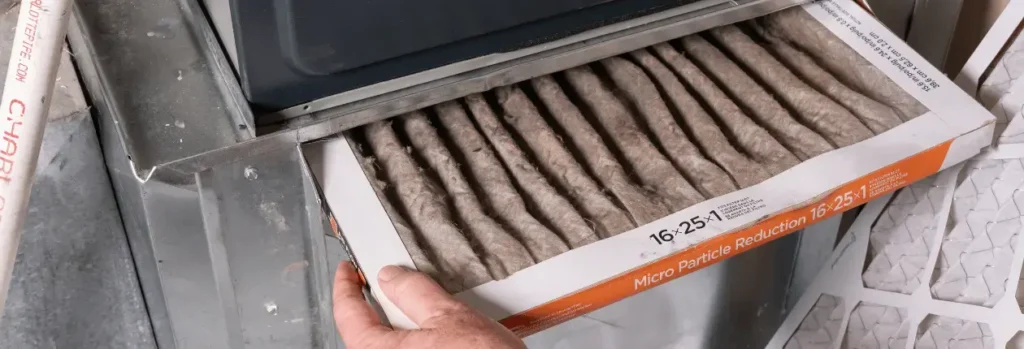
Hotter water speeds up mineral precipitation and buildup. Over time, sediment buildup (tank bottom) reduces efficiency and can cause overheating. That overheating forces longer run times and can shorten the average water heater lifespan.
Key internal components affected:
- hard water minerals
- mineral deposits (calcium & magnesium)
- corrosion and rust
- anode rod (sacrificial rod) (your tank’s primary corrosion defense)
Quick Fixes That Immediately Reduce Wear
- Lower the setpoint toward 120°F if your household can tolerate it
- Schedule flushing the tank (annual) to clear sediment
- Insulate exposed hot water piping to cut heat loss
- Fix leaks and drips quickly to reduce unnecessary reheating
Critical Safety Device That Protects the Tank (And Your Home)
The T&P valve prevents dangerous pressure buildup and must be maintained.
A failing temperature-pressure relief valve (T&P / TPR valve) can be dangerous. While rare, pressure issues are serious this is why routine checks matter for safety and for protecting the tank from stress-related damage.
If you’re not comfortable performing checks, this is exactly where Water heater repair technicians can help prevent small problems from becoming major failures.
Common Symptoms Linked to Temperature-Related Wear
Many heater problems are actually temperature + maintenance problems combined.
Homeowners often describe hot water heaters problems as random, but many symptoms have a predictable relationship to setpoint, cycling, and buildup.
Symptom → Temperature-Related Cause
Symptom | Likely temperature-related driver | What it does to lifespan |
Water too hot at fixtures | setpoint too high or miscalibrated thermostat | increases scald risk + wear |
Temperature swings | thermostat issues, mixing/tempering problems, pipe heat loss | increases cycling + stress |
Not enough hot water | sediment + high demand + control issues | forces longer run time |
Rumbling/popping | scale and sediment insulating the bottom | overheating + corrosion |
A knowledgeable Plumbing expert can diagnose whether your issue is a setpoint problem, a control failure, or a maintenance problem before it becomes tank damage.
When Higher Temperatures Make Sense (And How to Do It Safely)
Higher settings can be appropriate in special cases, but require protective measures.
There are valid reasons some households choose 130–140°F, such as sanitation requirements or appliance needs. For example, if a dishwasher lacks its own heating boost, you may need a higher tank setpoint. In those cases, use mixing/tempering solutions so delivered water stays safe.
Just remember: consistently high heat without mitigation often reduces the average water heater lifespan by increasing corrosion and cycling.
Lifespan Expectations by System Type (With Temperature in Mind)
Each design responds differently, but temperature still matters.
Use these keyword-aligned points once (as requested) and keep them practical:
- The lifespan of a hot water heater can improve when setpoints are moderate and maintenance is consistent.
- What is the lifespan of a water heater depends heavily on water quality, usage, and upkeep not just the label.
- The lifespan of electric water heaters is strongly impacted by element cycling and thermostat accuracy.
- The lifespan of a tankless water heater can be influenced by high setpoints and scaling, even without a storage tank.
The core takeaway: no matter the model, the average water heater lifespan improves when you reduce unnecessary stress and prevent scale/corrosion.
Tips to Extend Life Without Sacrificing Comfort
Small, consistent habits often add more years than one-time changes.
High-Impact Longevity Habits
- Keep setpoint near 120°F unless a specific household need requires higher
- Verify delivered temperature yearly using the farthest faucet test
- Flush sediment annually and check the anode rod on schedule
- Insulate hot water piping to reduce heat loss and cycling
- Address small leaks and valve issues early
Comfort-First Adjustments That Still Help
- Use mixing valves if you must keep the tank hotter for sanitation
- Reduce extreme temperature swings (avoid frequent big changes)
- Keep the area around the heater ventilated and accessible for inspection
Need Help Extending Your Water Heater’s Life Safely?
If you want your system to last longer, the fastest wins come from correct temperature settings, annual maintenance, and catching early wear before it becomes tank damage.
Duty Calls Plumbing and Rooter LLC can help you evaluate performance, confirm safe temperature delivery, and keep your water heater operating efficiently.
📞 Call (816) 945-2131 to schedule service or get expert guidance.
FAQs About Average Water Heater Lifespan
What temperature setting helps maximize water heater life?
A setting around 120°F (49°C) typically reduces cycling, scale formation, and corrosion-helping extend service life.
Does a higher temperature always shorten lifespan?
Often yes, because higher setpoints increase cycling and heat loss, but protective devices and maintenance can offset some damage.
How often should I test water temperature after adjusting it?
Test after any adjustment, then recheck annually or when you notice temperature inconsistency.
Can sediment buildup shorten the lifespan even at 120°F?
Yes. Sediment can insulate the tank bottom, cause overheating, and accelerate corrosion regardless of the setpoint.
What’s the biggest maintenance item tied to longer lifespan?
Annual tank flushing plus monitoring the anode rod and the T&P valve are among the most important.