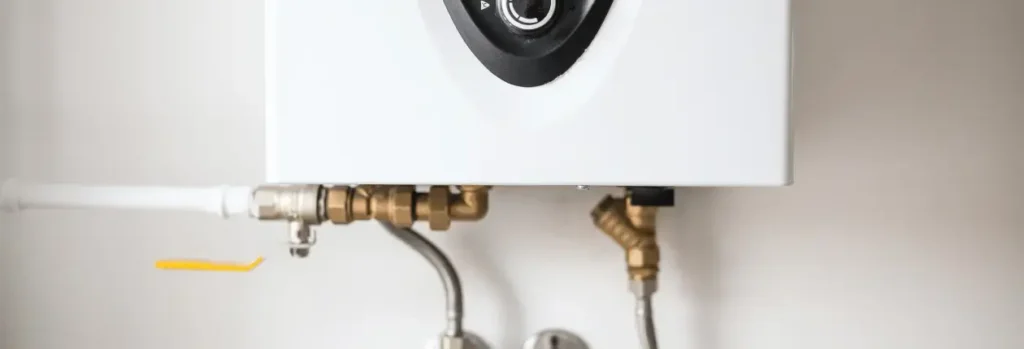




Quick Answer: Yes, turning down the temperature on a water heater can save money by reducing energy consumption, limiting standby heat loss, and lowering the strain on heating components. Most homes save between 6% and 10% on water-heating costs by adjusting the thermostat from 140°F to 120°F. This setting also improves safety by reducing scalding risk while maintaining enough hot water for daily use. Savings depend on household size, usage habits, and the type of water heater installed.
How Water Heater Temperature Directly Impacts Energy Costs
Does turning down the temperature on a water heater save money? The answer lies in how water heaters consume energy. Hot water heating typically accounts for 20–25% of a home’s total energy use, making it one of the biggest contributors to utility bills.
When a thermostat is set too high, the system must work harder to maintain that temperature. This increases energy consumption, causes more standby heat loss, and accelerates wear on internal components. Every time hot water is used, cold water enters the tank and must be reheated, which compounds energy usage.
Lowering the temperature reduces:
- Reheating cycles
- Heat loss through the tank walls
- Overall strain on heating elements or burners
This is why homeowners experiencing water heaters running out of hot water often discover that inefficient temperature settings are part of the problem.
What Is the Recommended Temperature for a Water Heater?
The recommended water heater temperature by the U.S. Department of Energy (DOE) is 120°F (48°C). This temperature balances efficiency, safety, and sanitation.
Most water heaters are factory-set at 140°F, which increases energy use and scalding risk. While some agencies like the Occupational Safety and Health Administration (OSHA) acknowledge higher temperatures for pathogen control, 120°F is considered safe for residential use when paired with proper maintenance.
This range answers several common homeowner questions:
- best temp to set water heater
- what setting should hot water heater be on
- what is a good hot water temperature
How Much Money Can You Actually Save?
Turning down the thermostat by just 10 degrees can save 3–5% on water-heating costs. Dropping from 140°F to 120°F often delivers 6–10% monthly savings.
Temperature Settings vs Estimated Savings
Thermostat Setting | Energy Impact | Estimated Savings |
140°F | High usage | $0 |
130°F | Moderate | 3–5% |
120°F | Optimized | 6–10% |
The actual savings depend on household size, shower duration, laundry habits, and hot water demand.
This directly answers: what percentage of your electric bill is for hot water in most homes, roughly one-fifth to one-quarter.
How Lower Temperatures Affect the Average Water Heater Lifespan
Lowering the thermostat doesn’t just reduce monthly utility costs it can also extend the Average Water Heater Lifespan by reducing internal stress on the system. When a water heater operates at higher temperatures, it cycles more frequently, reheats water more aggressively, and experiences faster wear on heating elements, burners, and tank linings.
By setting the temperature closer to 120°F, the unit runs fewer heating cycles and loses less heat while standing idle. This reduced workload helps slow corrosion, limit sediment hardening at the bottom of the tank, and prevent premature component failure. Over time, these changes mean fewer repairs, steadier performance, and a longer service life alongside the energy savings homeowners expect when turning the temperature down.
Safety Benefits of Lowering Water Heater Temperature
Lower temperatures do more than save money. They significantly reduce scalding risk, especially for children and elderly individuals.
At 140°F, water can cause a third-degree burn in as little as five seconds. Lowering the thermostat reduces that danger while still delivering comfortable water for showers and dishes.
To balance safety and sanitation:
- 120°F limits burn risk
- Proper flushing prevents bacteria growth in tank, including Legionnaires’ disease
- Anti-scald valves add extra protection at fixtures
How to Adjust Your Water Heater Thermostat Safely
Lowering the thermostat is a simple task, but accuracy matters to avoid inconsistent temperatures or unnecessary reheating cycles.
Safe Adjustment Steps
- Turn off power at the breaker for electric units or set the gas control to pilot
- Measure the hot water temperature at the farthest faucet using a thermometer
- Adjust the thermostat slightly toward a lower setting
- Wait several hours for the water temperature to stabilize
- Recheck the temperature and fine-tune if needed
Warning Signs That Temperature Adjustment Won’t Fix
Sometimes high energy bills or inconsistent hot water aren’t caused by thermostat settings at all. Issues such as combustion problems, faulty gas valves, or ventilation failures can present safety risks. If you ever notice conditions where your water heater smells like gas, temperature adjustments should be avoided entirely, and the system should be inspected by a qualified professional immediately.
Why Tank-Style Water Heaters Lose More Energy
A storage tank water heater continuously reheats water, even when not in use. Energy loss occurs through:
- Tank walls
- Top and bottom surfaces
- Hot water pipes
This constant reheating explains why lowering temperature is so effective for tank systems.
Common Energy Loss Sources
Source | Type of Loss |
Tank walls | Heat transference |
Pipes | Pipe heat loss |
Idle cycles | Standby heat loss |
Insulating hot water pipes and the tank itself further improves efficiency.
Tankless vs Tank Water Heaters — Cost Perspective
When comparing Tank vs Tankless Water Heater systems, temperature settings still matter.
Tankless water heaters use on-demand water heating, eliminating standby losses. However, they may:
- Struggle with multiple hot water uses simultaneously
- Increase electricity usage
- Cost more to install
This leads many homeowners to ask: do tankless water heaters save money? The answer depends on usage patterns rather than temperature alone.
Maintenance Factors That Affect Savings
Temperature alone won’t solve efficiency issues if maintenance is ignored. Over time, sediment buildup and mineral deposits reduce heating efficiency and shorten lifespan.
Annual maintenance should include:
- Flushing sediment
- Inspecting the pressure relief valve (T&P valve)
- Checking insulation
- Verifying thermostat accuracy
When problems persist, consulting professional water heater repair experts can prevent larger failures.
Quick Fixes to Improve Efficiency Without Replacement
Small adjustments can compound savings over time.
Quick Fixes That Work
- Shorten shower duration
- Wash laundry in cold water
- Use dishwasher economy mode
- Fix leaking faucets
- Insulate exposed pipes
These quick fixes complement thermostat adjustments and reduce hot water demand.
Long-Term Cost Control Strategies
If your unit is older (8–12 years), efficiency drops regardless of temperature settings. Newer Energy Star models are designed to minimize heat loss and operate with less strain.
Long-Term Strategies
- Maintain optimal temperature
- Schedule annual inspections
- Insulate pipes and tank
- Upgrade outdated systems
- Monitor usage habits
If ongoing inefficiencies remain, a trusted plumbing service firm can assess whether repair or replacement makes sense.
How Temperature Changes Affect Hot Water Performance
Lowering the thermostat on a water heater does not automatically mean you’ll lose access to hot water. In most homes, availability remains consistent as long as the system is properly sized and daily demand stays within normal limits. Problems typically arise only when multiple fixtures draw hot water at the same time or when the unit is undersized for household needs.
Setting the temperature too low, however, introduces a different kind of risk. Water heater settings below 120°F can create conditions where bacteria are more likely to survive inside the tank. Extremely low temperatures may also reduce the effectiveness of dishwashing and cleaning tasks that rely on sustained heat.
Higher temperature settings, such as 140°F, are sometimes used in specific situations rather than as a general recommendation. Homes with dishwashers that lack internal heating elements or households with occupants who have compromised immune systems may require higher tank temperatures for sanitation. In these cases, additional safety measures—such as mixing or anti-scald valves are often necessary to prevent burn risks at fixtures.
Need Help Optimizing or Repairing Your Water Heater?
If you’re unsure whether your current system is operating efficiently or safely, expert guidance can help you avoid unnecessary costs and future breakdowns.
Duty Calls Plumbing and Rooter LLC provides honest inspections, maintenance, and repairs to keep your water heater running efficiently and safely.
📞 Call (816) 945-2131 today to speak with experienced professionals and get peace of mind about your home’s hot water system.
FAQs About Lowering Water Heater Temperature to Save Money
What is the best temperature for water heater to save money?
The best temperature for water heater to save money is 120°F, which balances efficiency, safety, and sanitation.
What is the recommended temp for water heater use?
The recommended temp for water heater use in homes is 120°F, according to the U.S. Department of Energy.
What is a good hot water temperature for daily use?
A good hot water temperature for showers and cleaning is around 120°F.
What setting should hot water heater be on for efficiency?
The hot water heater should be set to 120°F for optimal efficiency and safety.
What is the best temp for electric water heater systems?
The best temp for electric water heater systems is also 120°F to reduce cycling and energy loss.